

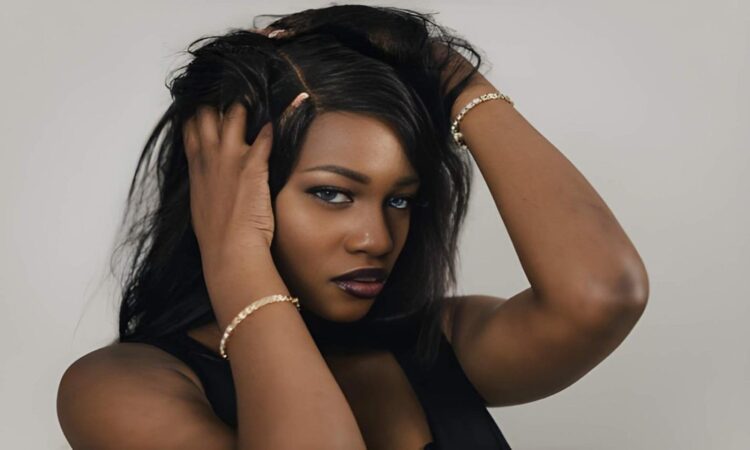

A smooth, polished hairstyle can make you feel confident, elegant, and ready for anything, but healthy hair should always begin with a healthy scalp. Many women love straight, relaxed-looking textures because they create a refined finish without constantly using heat tools or chemical relaxers on their own hair. Still, any protective or extension style must be installed and maintained with care. Traction alopecia is a form of hair loss caused by repeated pulling, tight styling, or long-term tension on the hair follicles. It often affects the edges, temples, nape, and areas where the hair is already delicate. The good news is that wearing bundles is not automatically damaging. The real concern is how the style is installed, how heavy the hair feels, how tight the foundation is, and how long the style is worn without giving the scalp a break.
Understanding the Connection Between Extensions and Scalp Tension
Textured and natural hair can be beautifully versatile, but it also needs gentle handling, especially around the hairline and thinning-prone areas.Relaxed Straight Hair Bundles can offer a soft, sleek finish while allowing your natural strands to rest from daily styling, but the benefit depends on whether the install is done with scalp health in mind.
Traction alopecia does not usually happen from one hairstyle. It often develops over time when the same areas of the scalp are placed under repeated stress. Tight cornrows, heavy wefts, small braid patterns, firm thread tension, tight ponytails, and long wear periods can all contribute to gradual thinning. For some women, the first warning sign is not obvious hair loss but tenderness, itching, small bumps, or a sore feeling after styling.
Why Installation Method Matters More Than the Hair Itself
The bundles are only one part of the style. The braid foundation underneath plays a major role in how much pressure your scalp experiences. If the braids are too tight, too small, or pulled strongly at the edges, the follicles may become stressed before the wefts are even added. Once thread, clips, or styling tension are layered on top, the scalp may struggle even more.
For women with textured or natural hair, a good stylist should focus on balance: enough security to keep the style neat, but not so much tightness that the scalp feels strained.Straight Hair Extensions can be a helpful option for a polished look, but they should never require pain, pulling, or discomfort to appear beautiful.
A healthier install usually includes:
- A braid pattern that does not pull tightly on the edges
- Moderate bundle fullness instead of unnecessary weight
- Secure stitching without excessive thread tension
- Enough space for the scalp to breathe
- A style plan that avoids constant high ponytails or tight updos
Signs Your Style May Be Too Tight
Many women are told that a style must feel tight to last, but pain is not a sign of quality. A fresh install can feel secure, but it should not cause headaches, burning, swelling, or sharp soreness. If you feel the need to take pain relievers after getting your hair done, that is a sign the style may be putting too much stress on your scalp.
Pay close attention to your edges, temples, and nape during the first few days. These areas are often more fragile, especially if you have previously worn tight braids, wigs, ponytails, sew-ins, or chemical treatments. If you notice redness, bumps, flaking, tenderness, or small broken hairs around the hairline, it is better to address the issue early rather than waiting for the style to “loosen up.”
Warning signs to take seriously include:
- Persistent scalp soreness after installation
- Small bumps around the braids or hairline
- Edges appearing thinner after removing the style
- Breakage near the leave-out or perimeter
- A pulling sensation when styling the hair upward
How to Wear a Sleek Bundle Style More Safely
A scalp-friendly routine starts before the appointment. Make sure your natural hair is clean, conditioned, and properly detangled. A dry, brittle foundation is more likely to break under tension. It is also helpful to discuss your scalp history with your stylist, especially if you have experienced thinning edges, postpartum shedding, chemical damage, or previous hair loss.
During the install, avoid asking for the hair to be “extra tight” so it lasts longer. Longevity should come from proper technique, not discomfort. Choose a realistic bundle count for your desired look. Very full styles can be beautiful, but too much weight may pull on the anchor braids. If your scalp is sensitive, a lighter, flatter install may be a better choice.
After installation, keep your styling habits gentle. Avoid sleeping with the hair unsecured, pulling it into tight buns every day, or constantly brushing near the leave-out. Wrap the hair at night, moisturize your natural hair where accessible, and keep the scalp clean without overloading it with heavy oils. Most importantly, give your hair breaks between installs so your follicles have time to recover.
The Bottom Line
Relaxed-looking straight bundle styles can be elegant, convenient, and protective when they are installed with care. They can reduce daily heat styling and help women enjoy a polished finish while giving their natural hair a break. However, no hairstyle is truly protective if it causes pain, tension, or repeated stress on fragile areas of the scalp.
The healthiest approach is to choose quality hair, work with a gentle stylist, avoid excessive tightness, and listen to your scalp. If you already notice thinning, soreness, or breakage around your edges, pause tight styles and consider speaking with a dermatologist or trichologist. Beautiful hair should never come at the cost of long-term hair wellness. When comfort, technique, and scalp care come first, you can enjoy your style with more confidence and less risk.